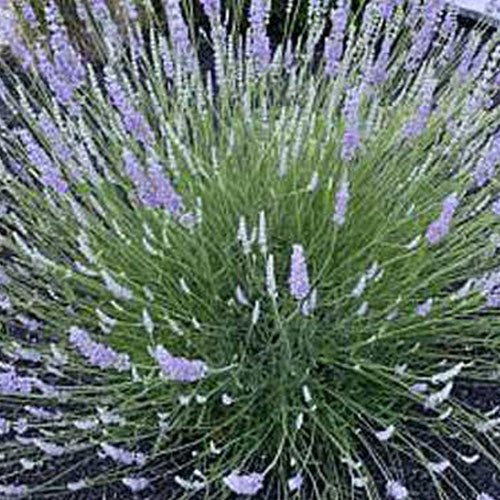
 I love lavender. It’s my favorite scent. I visited Australia last year and bought an excellent lavender oil from the Melbourne Sheraton Spa. I only bought two bottles and quickly realized I had made a mistake. I should have bought more. I was now back in the States and adding a few lavender drops to my pillow every night and it changed my world. My sleep quality increased and so did my sleep score per my Fitbit. I woke up refreshed and ready to start my day when previously I had restless nights.
So, I thought I would just call up a Sheraton Spa in the States and buy more lavender oil. To my surprise, I could not buy that specific lavender oil here as it was made in Melbourne specifically for the Melbourne Sheraton. But as luck would have it, I have a very good friend who lives in Canberra and traveled to the Melbourne Sheraton to buy 4 more bottles and then shipped them to me. I am truly grateful and look forward to that lavender scent each night as I drift off to sleep.
So, enough of the calming effects of lavender, let’s talk about lavender and food. There are different types of lavender and I’ll briefly touch on culinary lavender. Culinary lavender is usually English lavender and the most common species used in cooking. It is used as a spice or condiment on chicken and meats. It is also used in pastas, salads, dressings, tea and desserts.
Lavender flowers become more potent when dry and therefore you need to use them more sparingly to avoid a heavy soapy aftertaste. If fresh lavender buds are not available, you may substitute dried lavender by reducing the fresh lavender amount by 2/3 in the recipe.
It’s on my bucket list to visit the lavender fields in Provence, France. I can’t wait! Stay tuned.
Visit our “Juice Twist” page on our website to view our Lavender Lemonade recipe.